Medicare and Medicaid Policy Updates 2026: What’s Changing and Why It Matters
Medicare and Medicaid Policy Updates 2026 What’s Changing and Why It Matters

2026 is shaping up to be a landmark year for American healthcare. Major shifts in Medicare and Medicaid policy will impact coverage options, drug pricing, eligibility, and the way federal funds are distributed to states. Whether you’re a senior, healthcare professional, or policy watcher, understanding these updates is essential not just to stay informed, but … Read more

When does Medicare coverage start?

When does Medicare coverage start

Medicare coverage typically begins on the first day of the month you turn 65 if you enroll during your Initial Enrollment Period (IEP). If you sign up later, the start date may vary based on the month of application, the enrollment window you use, and whether you qualify through disability or special enrollment. Quick Summary … Read more

Medicare vs. Medicare Advantage in 2025: Which Is Right for You?

Medicare vs. Medicare Advantage in 2025 Which Is Right for You

In 2025, choose Original Medicare if you value freedom to choose any doctor nationwide, predictable billing, and flexibility to add Medigap coverage. Choose Medicare Advantage (Part C) if you prefer lower monthly premiums, extra benefits like dental and vision, and a single, bundled plan. The best choice depends on your budget, health condition, and lifestyle. … Read more

Medigap vs. Medicare Advantage in 2025: Which Should You Buy?

Medigap vs. Medicare Advantage in 2025 Which Should You Buy

In 2025, Medigap remains the best choice if you want predictable costs, nationwide coverage, and flexibility to choose any doctor who accepts Medicare. Medicare Advantage (Part C) is better if you prefer lower monthly premiums, extra benefits like dental and vision, and coordinated care within a local network. The right plan depends on how you … Read more

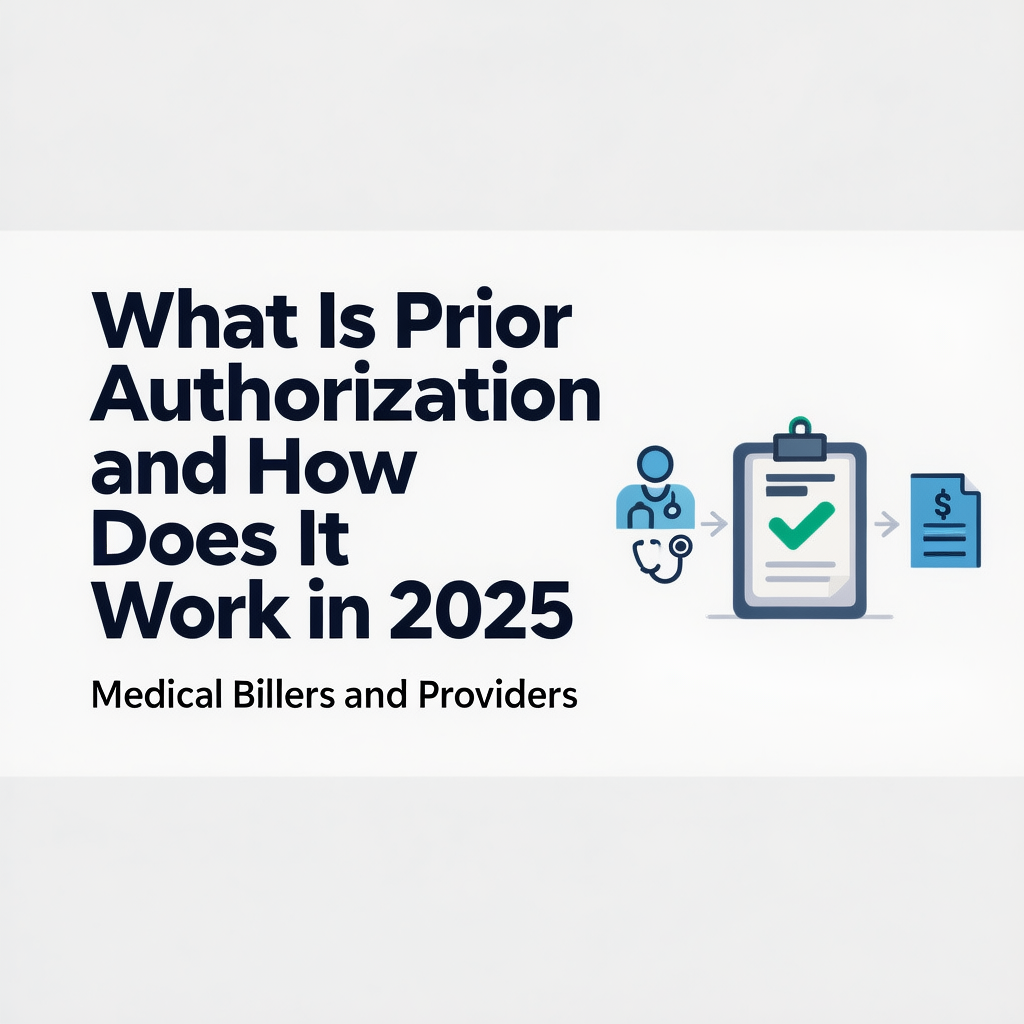
What Is Prior Authorization and How Does It Work in 2025: Medical Billers and Providers

What Is Prior Authorization and How Does It Work in 2025: Medical Billers and Providers

Quick Summary Prior authorization (PA) is the insurer’s review process that determines whether a medical service, drug, or procedure is medically necessary before coverage is approved. In 2025, CMS-mandated digital PA systems are transforming how providers and billers handle requests — but manual delays, denials, and payer variability still create major bottlenecks. Understanding each step … Read more

How to Avoid Prior Authorization Delays in Healthcare in 2025 | RCM.MEDLIFEGUIDE

How to Avoid Prior Authorization Delays in Healthcare in 2025 | RCM.MEDLIFEGUIDE

Prior authorization delays in healthcare occur when insurers require approval before covering treatments, often causing frustrating waits that can harm patients. To avoid them in 2025, focus on proactive communication, leveraging technology like AI-driven tools, building strong provider-insurer relationships, and implementing streamlined workflows. This guide provides a comprehensive, step-by-step approach to minimize delays, backed by … Read more

The Prior Authorization Precision Protocol: A Clinician’s Guide to Navigating the Maze Without the Delays

The Prior Authorization Precision Protocol

Preventing prior authorization delays is not about gaming the system; it’s about mastering it. By adopting a proactive, precise, and protocol-driven approach—shifting from reactive submission to collaborative documentation—providers can dramatically reduce denials, accelerate patient care, and reclaim valuable administrative time. Imagine a patient, let’s call him Arthur, a 68-year-old retired teacher with worsening rheumatoid arthritis. … Read more

Steps to Detect Billing Collection Issues in Medical Billing in 2025: A 7-Step Audit to Reclaim Your Lost Revenue

Steps to Detect Billing Collection Issues in Medical Billing in 2025: A 7-Step Audit to Reclaim Your Lost Revenue

To detect billing collection issues in medical billing, you must systematically track and analyze your financial data. The core steps involve: 1) Calculating and monitoring your Key Performance Indicators (KPIs) like Net Collection Rate and Days in A/R, 2) Performing a deep-dive denial analysis to find root causes, 3) Auditing front-end processes for patient eligibility … Read more