Quick Answer:
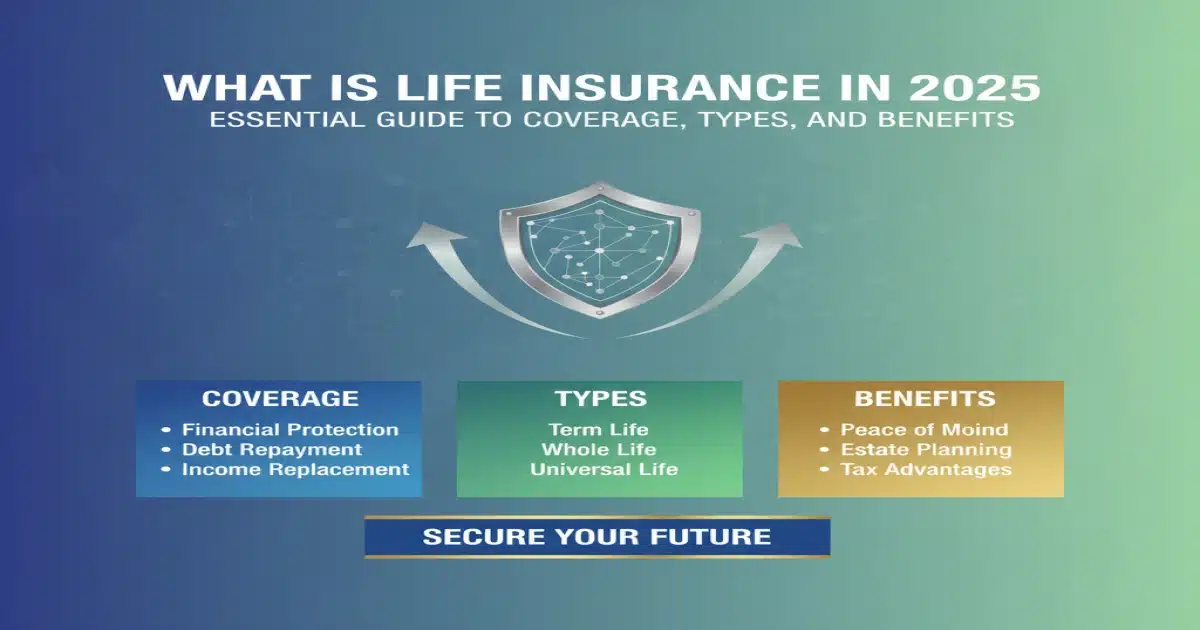
Life insurance is a financial protection contract between you and an insurance company. In exchange for regular premium payments, the insurer guarantees a death benefit a lump-sum payout to your beneficiaries when you pass away. This money helps your loved ones cover expenses, replace income, and maintain financial stability after your death.
Also Read: Medicare Deductibles 2026
Introduction: Securing Your Future with Life Insurance
Life insurance isn’t just a policy it’s a promise. A promise that your family will have financial support even when you’re no longer there to provide it. Whether you’re starting a family, managing a mortgage, or planning for retirement, life insurance safeguards your loved ones’ future against the unpredictable.
What You’ll Learn in This Essential Guide
In this guide, you’ll discover:
- How life insurance works and what it covers
- The main types of policies and their differences
- How to determine how much coverage you need
- How life insurance can serve as a financial asset and planning tool
Why Life Insurance Matters for You and Your Family
The core purpose of life insurance is peace of mind. It ensures that your loved ones have the means to stay financially secure paying bills, covering debts, or funding education without financial distress during an already difficult time.
What is Life Insurance? The Core Concept Explained
Defining Life Insurance: A Contract for Financial Protection
At its heart, life insurance is a legal agreement. You, the policyholder, agree to pay premiums to the insurer, and in return, the insurer agrees to pay a predetermined death benefit to your chosen beneficiaries after your death. This arrangement provides a safety net that replaces income or covers major expenses for dependents.
How a Life Insurance Policy Works: Premiums, Coverage, and Benefits
When you buy life insurance, you:
- Choose your coverage amount (e.g., $250,000, $500,000, $1 million).
- Pay regular premiums (monthly, quarterly, or annually).
- Designate beneficiaries.
If you pass away while your policy is active, your insurer pays the death benefit to your beneficiaries.
Premiums depend on factors such as age, health, gender, and lifestyle. Younger, healthier individuals typically qualify for lower rates.
Understanding the Death Benefit and Your Beneficiary
The death benefit is the amount your beneficiaries receive. They can use it however they wish to pay off a mortgage, cover daily expenses, or fund future goals.
Choosing your beneficiary is crucial. You can name a spouse, child, or trust, and you can designate percentages if multiple beneficiaries are listed.
The Role of Life Insurance in Protecting Your Loved Ones
Life insurance transforms uncertainty into stability. It ensures that financial responsibilities like your children’s education or your spouse’s retirement are protected even after you’re gone.
Also Read: 2025 Medicare Deductibles and Premiums
Why Do You Need Life Insurance? Essential Benefits and Peace of Mind
Providing Financial Security for Your Family and Dependents
When you pass away, your income disappears, but your family’s financial needs continue. Life insurance replaces lost income, allowing your loved ones to maintain their standard of living.
Covering Major Liabilities: Mortgage, Debts, and Future Expenses
Life insurance can cover large financial obligations such as:
- Home mortgages
- Personal loans or credit card debt
- Funeral and medical expenses
- College tuition for children
Ensuring Future Financial Stability for Your Children and Partner’s Needs
By design, life insurance protects your dependents’ future goals from education funding to retirement savings. It ensures continuity in their quality of life.
The Broader Impact: Preventing Financial Hardship
A well-structured policy prevents families from depleting savings or selling assets in distress. It acts as an emergency fund multiplier, supporting long-term security.
Peace of Mind for Policyholders
Beyond the numbers, life insurance offers emotional peace knowing your family won’t face financial strain during a time of loss.
Key Types of Life Insurance Policies
Term Life Insurance: Coverage for a Specific Time
Term life provides coverage for a set period (10, 20, or 30 years). If you die during that period, your beneficiaries receive the death benefit. It’s simple, affordable, and ideal for income replacement during high-responsibility years.
Whole Life Insurance: Permanent Protection with Cash Value
Whole life coverage lasts your entire lifetime. It also builds cash value, a savings component that grows tax-deferred and can be borrowed against later.
Universal Life Insurance: Flexible Permanent Coverage
Universal life combines lifelong protection with flexible premiums. You can adjust your payments and coverage amount over time.
Variable Life Insurance: Investment-Linked Permanent Coverage
Variable life allows you to invest part of your premium into sub-accounts (similar to mutual funds). This offers growth potential but also involves investment risk.
Understanding Permanent Life Insurance: A Broader Category
Permanent life insurance includes whole, universal, and variable life all of which provide lifelong coverage and a cash value component.
The Difference Between Term and Permanent Life Insurance Plans
- Term: Lower cost, expires after set years, no cash value.
- Permanent: Higher cost, lifelong protection, builds cash value.
Your choice depends on your financial goals, timeline, and affordability.
Demystifying Key Life Insurance Terms
Premiums and Payments: Your Investment in Protection
Your premium is the amount you pay for coverage. Paying regularly keeps your policy active and guarantees the benefit.
The Death Benefit: The Payout to Your Beneficiary
The death benefit is the amount the insurer pays after your death tax-free to the beneficiary in most cases.
The Beneficiary: Who Receives the Insurance Benefits
Choose wisely and update periodically to reflect life events like marriage, divorce, or the birth of children.
Cash Value: A Feature of Permanent Life Policies
Permanent policies accumulate cash value, a living benefit that can be borrowed, withdrawn, or used to pay premiums later.
Policy Riders: Enhancing Your Life Insurance Coverage
Optional riders allow customization, such as:
- Accelerated Death Benefit Rider (access funds if terminally ill)
- Waiver of Premium Rider (pauses payments during disability)
- Child or Spouse Rider (adds family coverage)
The Life Insurance Policy: Your Contract with the Insurer
Every policy includes the insurer’s obligations, exclusions, and terms. Always read it thoroughly before signing.
How Much Life Insurance Do You Need? Assessing Your Coverage
Factors to Consider: Dependents, Income, and Financial Liabilities
Your coverage should replace income and cover major expenses. Consider:
- Current and future family needs
- Mortgage or rent payments
- Childcare and tuition costs
- Outstanding debts
Calculating Your Insurance Coverage: Practical Guidance and Tools
A common rule of thumb: 10–15 times your annual income. Online calculators can refine this estimate based on your goals.
Understanding the Impact of Health, Age, and Lifestyle on Your Rate
Smokers, older applicants, or those with chronic conditions often face higher premiums. Early enrollment locks in better rates.
Making Informed Choices About Your Coverage Options
Balance affordability with adequate protection. Underinsuring can leave your dependents vulnerable, while overinsuring strains your budget.
Choosing the Right Policy: Term vs. Permanent Life Insurance
Term Life Insurance: Pros, Cons, and Ideal Scenarios
Pros: Affordable, straightforward, flexible duration.
Cons: No cash value, expires after term.
Ideal for: Young families, mortgage protection, income replacement.
Permanent Life Insurance (Whole, Universal, Variable): Pros, Cons, and Long-Term Value
Pros: Lifelong coverage, builds cash value, tax benefits.
Cons: Higher premiums, complex structure.
Ideal for: Estate planning, wealth transfer, long-term security.
Matching Life Insurance Plans to Your Life Stage and Financial Goals
- 20s–30s: Term coverage for dependents and debt protection.
- 40s–50s: Combine term and whole life for balance.
- 60s+: Permanent policies for legacy and estate planning.
Questions to Ask Yourself Before Making a Decision
- What’s my family’s long-term financial goal?
- How long do I need coverage?
- Can I afford permanent premiums?
- Does my employer offer group life insurance?
The Application and Enrollment Process
Getting a Life Insurance Quote: What Information You’ll Need
Provide details such as:
- Age, gender, and occupation
- Health history and lifestyle habits
- Coverage amount and duration
The Application Journey: From Health Questions to Medical Exams
Most policies require a medical exam or health questionnaire to assess risk and finalize your premium rate.
Underwriting and Acceptance: How Your Rate Is Determined
Underwriters evaluate your profile and assign a risk class. The healthier you are, the better your rate.
The Role of an Insurance Broker or Agent in Finding the Best Options
An independent broker can compare policies from multiple insurers, ensuring you find the most cost-effective coverage.
Life Insurance as a Financial Asset and Planning Tool
Integrating Life Insurance into Your Retirement Planning
Permanent life policies with cash value can supplement retirement income through policy loans or withdrawals.
Managing Liabilities: Protecting Your Home and Other Debts (e.g., Mortgage)
If you pass away, life insurance ensures your family won’t lose their home or face overwhelming debt obligations.
Leveraging Cash Value: Policy Loans and Withdrawals
Policy loans provide tax-advantaged access to cash value, though unpaid loans reduce the final death benefit.
Life Insurance and Your Overall Finances: An Asset for Protection and Growth
Viewed strategically, life insurance serves both as protection and an investment tool, anchoring a balanced financial plan.
Conclusion: Building Financial Security That Lasts Beyond a Lifetime
Life insurance is more than a policy it’s a lasting act of care. It transforms uncertainty into stability and ensures that your loved ones have the resources they need, when they need them most. By understanding your options, calculating your needs, and choosing the right type of coverage, you can turn today’s planning into tomorrow’s peace of mind.
People Also Ask
Life insurance is a financial contract that pays money to your loved ones when you die, helping them stay financially stable.
You pay premiums, and the insurer pays a death benefit to your beneficiaries upon your passing.
The major types are term, whole, universal, and variable life insurance.
Most experts recommend coverage worth 10–15 times your annual income.
Term is temporary and affordable; permanent lasts for life and builds cash value.
Author Bio:
Mark is a financial content strategist specializing in insurance and wealth protection. With over a decade of industry insight, they help readers simplify complex financial topics into actionable, trustworthy guidance.