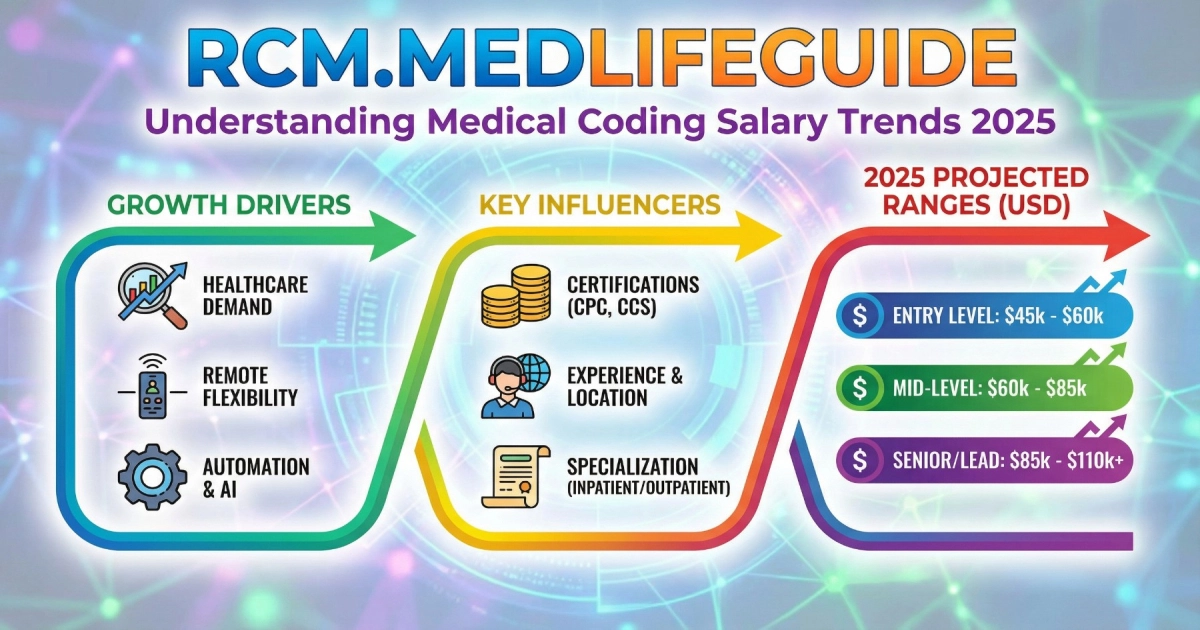
In the rapidly evolving healthcare industry, understanding salary trends is crucial for both new and experienced professionals. As we look towards 2025, several factors are shaping the landscape for medical billing and coding salaries. Whether you’re just starting in the field or considering a career change, knowing what to expect in terms of compensation can help you make informed decisions.

The Role of a Medical Coder
Medical coders review patient records and use classification systems to assign codes for each diagnosis and procedure. These codes are essential for billing purposes and are used by insurance companies to process claims. Coders must be familiar with various coding systems such as ICD, CPT, and HCPCS, each requiring precise knowledge to ensure accuracy.
Medical coders also play a pivotal role in ensuring compliance with legal and ethical standards. They must adhere to guidelines set by entities like the Centers for Medicare & Medicaid Services (CMS), maintaining the integrity of healthcare documentation. As the healthcare landscape evolves, coders must stay updated with changes in coding standards and practices.
The job requires attention to detail and a thorough understanding of medical terminology. Coders often collaborate with healthcare providers to clarify documentation and resolve discrepancies in patient records, which is vital for accurate coding and billing processes.
The Role of a Medical Biller
Medical billers use the codes provided by coders to create billing records. They submit these records to insurance companies and ensure that healthcare providers are paid for their services. Billers must understand insurance policies and procedures to effectively manage claims and reimbursements.
The process involves meticulous tracking of claims and payments. Billers must follow up on unpaid claims, resolve billing issues, and work with patients to address any concerns about their bills. Their role is critical in maintaining the financial health of healthcare facilities.
Medical billers also need to be adept at using billing software and technology. As the industry moves towards digital solutions, billers who are skilled in these tools can improve efficiency and accuracy in the billing process. Continuous learning in this area is crucial to stay competitive in the field.
Key Salary Trends for 2025
Medical Billing and Coding Salary Overview

Increased Demand
As the healthcare industry continues to grow, the demand for skilled billing and coding professionals is expected to rise. This increased demand may lead to higher salaries. The expansion of healthcare services, particularly in response to an aging population, drives the need for accurate billing and coding.
With more healthcare facilities and services, the requirement for billing and coding expertise grows. This demand creates competitive salaries as employers seek to attract and retain top talent. Professionals who enhance their skills and certifications can leverage this demand for better compensation.
The role of billing and coding professionals is becoming more integral to healthcare operations, further driving demand. As the industry emphasizes efficiency and compliance, skilled professionals are in a strong position to negotiate higher pay.
Technology Integration
With advancements in technology, medical billing and coding are becoming more streamlined. Professionals who are adept at using new technologies may command higher wages. Automation and artificial intelligence are transforming how coding and billing are performed, increasing the need for tech-savvy individuals.
Technology integration enhances the accuracy and speed of billing processes. Professionals who can navigate these systems effectively are valuable assets to healthcare organizations, often resulting in premium pay. The ability to troubleshoot and optimize these systems is a sought-after skill.
The shift towards electronic health records (EHR) necessitates ongoing learning and adaptation. Those who invest in understanding and leveraging new technologies can significantly enhance their career prospects and salary potential.
Regional Variations
Salaries can vary by state and city. For example, the average salary for medical billing and coding professionals in states like Tennessee, Alabama, and Florida may differ due to cost of living and demand. Understanding these regional differences is crucial for professionals considering relocation.
In states with a higher cost of living, salaries tend to be higher to accommodate the increased expenses. Conversely, regions with a lower cost of living may offer lower salaries but can provide a comparable standard of living. Professionals must weigh these factors when evaluating job opportunities.
Demand for healthcare services varies by region, influencing salary levels. Areas with a robust healthcare infrastructure and higher demand for services typically offer better compensation for billing and coding professionals. Staying informed about regional trends can guide career decisions.
Average Salaries by Region
Medical Billing and Coding Salary in Tennessee
In Tennessee, the average salary for medical billing and coding professionals is influenced by the state’s economic conditions and healthcare infrastructure. As of 2025, professionals in this state can expect competitive wages, reflecting the increased need for healthcare services. Tennessee’s growing healthcare sector presents numerous opportunities for billing and coding experts.
The state’s investment in healthcare facilities and services creates a favorable job market. Professionals who align their skills with the state’s healthcare demands can capitalize on these opportunities for career growth and salary enhancement. Networking within Tennessee’s healthcare community can also open doors to lucrative positions.
Tennessee’s balanced cost of living and salary levels make it an attractive destination for professionals. The state’s emphasis on healthcare expansion ensures a steady demand for skilled billing and coding workers, offering a stable career environment.
Medical Billing and Coding Salary in Alabama
Alabama offers a diverse range of opportunities for medical billing and coding professionals. Salaries in this state are expected to remain stable, with potential growth as the healthcare sector expands. The state’s commitment to improving healthcare access and services drives demand for skilled professionals.
Alabama’s healthcare initiatives focus on expanding rural healthcare access, creating job opportunities for billing and coding specialists. Professionals who adapt to these initiatives and develop relevant skills can benefit from increased job security and salary prospects. Collaborating with healthcare providers in Alabama can enhance career growth.
The state’s cost of living is relatively low, making it an appealing choice for professionals seeking a balanced lifestyle. Competitive salaries, coupled with affordable living, provide a compelling reason for professionals to consider Alabama for their careers.
Medical Billing and Coding Salary in Florida
Florida’s large population and growing healthcare needs make it a promising state for medical billing and coding careers. Salaries here are projected to increase, driven by the state’s demand for skilled healthcare workers. The influx of retirees and seasonal residents boosts the need for healthcare services.
The state’s vibrant healthcare industry offers diverse career paths for billing and coding professionals. Those who specialize in areas with high demand, such as geriatric care, can command higher salaries. Networking and professional development within Florida’s healthcare sector can further enhance career prospects.
Florida’s dynamic job market provides ample opportunities for career advancement. Professionals who stay updated on industry trends and develop expertise in high-demand areas can maximize their earning potential in this thriving state.
Hourly Wages

For those interested in hourly wages, here’s what you can expect:
How Much Does a Biller and Coder Make an Hour?
On average, medical billers and coders can earn between $15 to $25 per hour, depending on their experience and location. Entry-level professionals may start on the lower end of the scale, while seasoned experts can earn significantly more. Geographic location plays a crucial role in determining hourly wages.
Professionals working in metropolitan areas or states with a high cost of living often receive higher hourly rates. Experience and specialization also contribute to wage variations, with specialized skills commanding premium pay. Understanding these factors can help professionals negotiate better hourly wages.
The demand for flexible work arrangements is increasing, with many professionals opting for part-time or freelance roles. These arrangements offer competitive hourly rates, providing opportunities for work-life balance and career satisfaction.
Medical Biller Salary Per Hour
Entry-level positions may start at around $15 per hour, while experienced professionals can earn significantly more. As billers gain experience, they develop a deeper understanding of insurance processes and billing regulations, enhancing their value to employers.
Experienced billers who demonstrate efficiency and accuracy in their work are often rewarded with higher hourly wages. Continuous education and certification can further boost earning potential, allowing billers to advance their careers and achieve financial goals. Building a strong professional network can also lead to higher-paying opportunities.
The ability to handle complex billing scenarios and resolve issues effectively is highly valued. Professionals who excel in these areas can negotiate better hourly rates, reflecting their expertise and contributions to the organization’s financial success.
Medical Coding Pay Per Hour
Similar to billing, coding professionals’ hourly wages can vary, with experienced coders earning upwards of $25 per hour. Coders who specialize in high-demand areas such as oncology or cardiology may command even higher rates, given their specialized knowledge and skills.
Continuous professional development is key to maximizing earning potential. Coders who stay updated with coding standards and regulations can enhance their expertise and marketability, leading to better hourly compensation. Engaging in industry workshops and seminars can also open doors to higher-paying roles.
The demand for coding professionals with expertise in technology integration is growing. Those who can navigate electronic health records and coding software efficiently are in high demand, often resulting in competitive hourly wages. Investing in technology skills is a strategic move for career advancement.
Factors Influencing Medical Coding Salaries
Education and Certification
Education and certification play a significant role in determining salary levels. Certified professionals, such as those with CPC (Certified Professional Coder) or CCS (Certified Coding Specialist) credentials, often earn higher salaries than non-certified individuals. Certification demonstrates a commitment to the profession and a mastery of coding skills.
Employers value certified professionals for their expertise and ability to perform complex coding tasks accurately. Certification can also open doors to advanced positions and specialized roles, offering higher earning potential. Professionals should consider investing in certification programs to enhance their career prospects.
Continuing education is equally important, as it allows professionals to stay updated with industry changes and maintain their credentials. This commitment to lifelong learning can lead to salary increases and career advancement opportunities.
Experience and Specialization
Experience is another critical factor. Entry-level professionals may start with lower salaries, but with experience, they can expect significant increases. Additionally, those specializing in specific coding areas, such as oncology or cardiology, may command higher salaries due to their specialized knowledge.
Experienced professionals bring valuable insights and expertise to their roles, making them indispensable to healthcare organizations. As they gain experience, they can negotiate better salaries and seek leadership positions within their field. Mentoring and training opportunities can further enhance their career trajectory.
Specialization in high-demand areas allows professionals to differentiate themselves in the job market. Those who develop expertise in niche areas can command premium salaries, reflecting their unique skills and contributions to the organization.
Industry Changes
The healthcare industry’s ongoing changes, including shifts in insurance policies and billing regulations, can impact salaries. Professionals who stay updated with industry trends and continue their education may find themselves in higher demand. Adapting to these changes is crucial for maintaining career relevance.
The shift towards value-based care and patient-centered services requires billing and coding professionals to adapt their practices. Those who embrace these changes and develop relevant skills can enhance their career prospects and salary potential. Engaging with industry associations and networks can provide valuable insights into these trends.
Technological advancements, such as the integration of artificial intelligence and machine learning, are reshaping the industry. Professionals who develop expertise in these areas can position themselves as industry leaders, commanding higher salaries and enjoying greater career opportunities.
Future Outlook for Medical Billing and Coding
The future of medical billing and coding looks promising, with several trends shaping the industry’s landscape:
Remote Work Opportunities
The rise of telehealth and remote work has opened new opportunities for billing and coding professionals. This trend is expected to continue, allowing for more flexible work arrangements. Remote work offers the potential for a better work-life balance and increased job satisfaction.
Professionals who adapt to remote work environments can access job opportunities beyond their geographic location. This flexibility allows them to explore diverse roles and industries, enhancing their career prospects and salary potential. Remote work also provides access to a global job market, increasing competition and opportunities.
The ability to work remotely requires strong communication and organizational skills. Professionals who excel in these areas can thrive in remote work settings, enjoying greater autonomy and career growth.
Emphasis on Data Security
As digital health records become more prevalent, the need for data security expertise is growing. Professionals with skills in this area may see higher salaries. Ensuring the confidentiality and integrity of patient data is a top priority for healthcare organizations.
Data security specialists play a crucial role in protecting sensitive information from breaches and cyber threats. Those who develop expertise in this area can command premium salaries, reflecting their vital contributions to the organization. Continuous education and certification in data security are essential for career advancement.
As regulatory requirements for data protection evolve, professionals must stay informed and adapt their practices accordingly. This commitment to data security can enhance their career prospects and earning potential.
Continued Education and Skill Development
Staying current with the latest coding practices and technologies will be crucial for career advancement. Ongoing education and training can lead to increased earning potential. Professionals who invest in their education demonstrate a commitment to excellence and career growth.
The healthcare industry is dynamic, requiring professionals to continually update their skills and knowledge. Those who embrace lifelong learning can position themselves as industry leaders, enjoying greater career opportunities and salary prospects. Engaging in professional development programs and workshops can enhance expertise and marketability.
Skill development in areas such as technology integration and data security can open doors to new roles and industries. Professionals who cultivate these skills can enhance their career prospects and achieve financial success in the evolving healthcare landscape.
Conclusion
Understanding medical coding salary trends for 2025 is essential for anyone in or entering the field. With the healthcare industry’s growth and technological advancements, the demand for skilled billing and coding professionals is on the rise. By staying informed about salary trends and investing in education and certification, you can position yourself for a successful and rewarding career in medical billing and coding.
Whether you’re interested in how much medical billers make, what a coder earns, or the average salary for medical coding, these insights provide a comprehensive view of what to expect in the coming years. The future holds significant opportunities for those who are prepared to adapt and thrive in this dynamic industry. Embrace the changes, invest in your skills, and unlock the potential for a fulfilling and prosperous career.