ICD-10-CM Code for Urinary Tract Infection (UTI) Diagnosis
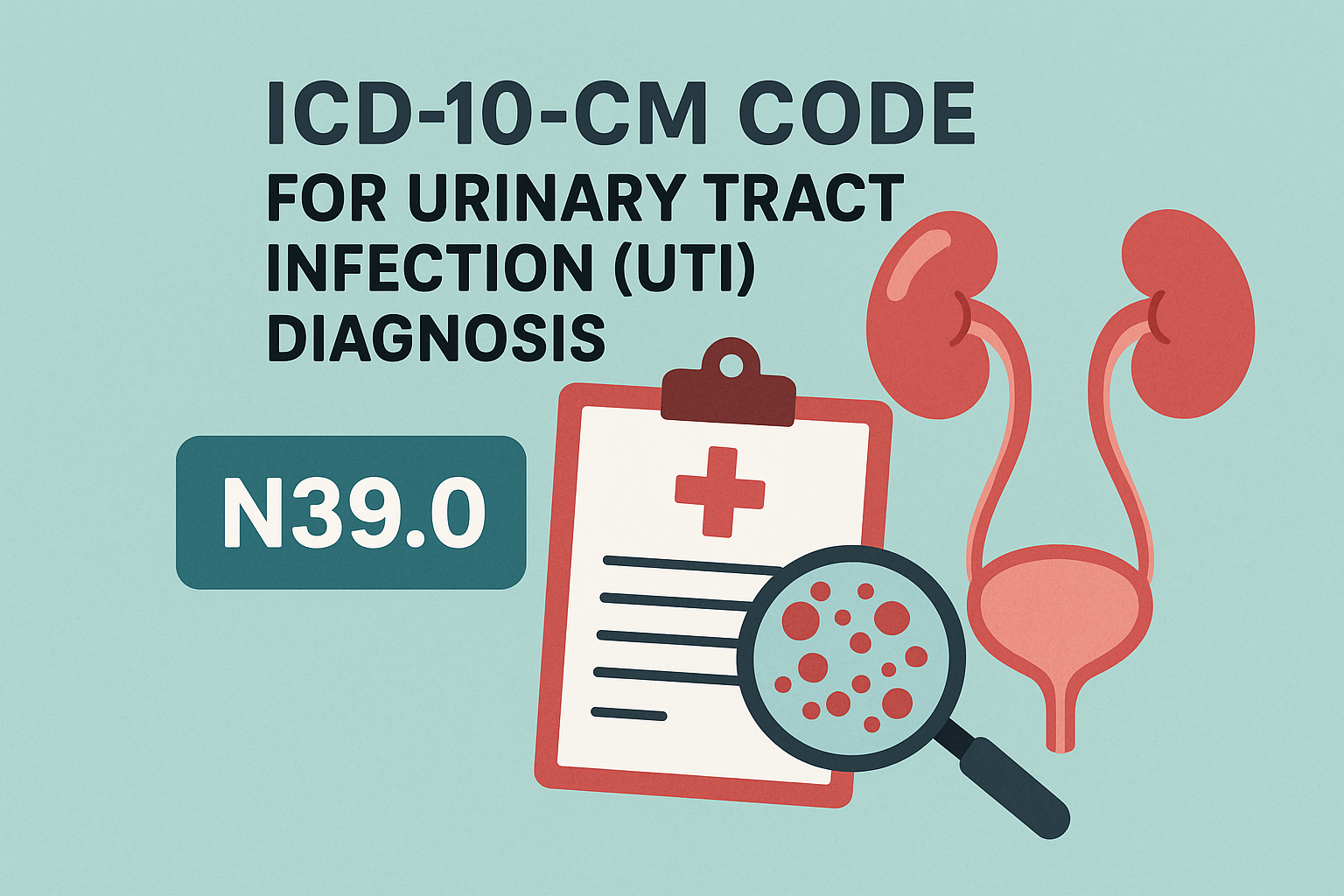
ICD-10-CM Code for Urinary Tract Infection (UTI) Diagnosis

In 2025, the primary ICD-10-CM code for a urinary tract infection (UTI) without a specified site is N39.0 — “Urinary tract infection, site not specified.”For more precise documentation, codes like N10 (acute pyelonephritis), N30.00–N30.91 (cystitis), and O23.0 (UTI in pregnancy) should be used, depending on the location and clinical context of the infection. Quick Summary … Read more
What does POS 22 mean in U.S. Medical Billing

POS 22 in Medical Billing: What It Means In the U.S. healthcare system, billing codes are used to show where and how medical care was given. One of these codes is POS 22, which stands for “Outpatient Hospital.” This code matters because it affects how doctors and hospitals get paid, and how much patients owe. … Read more

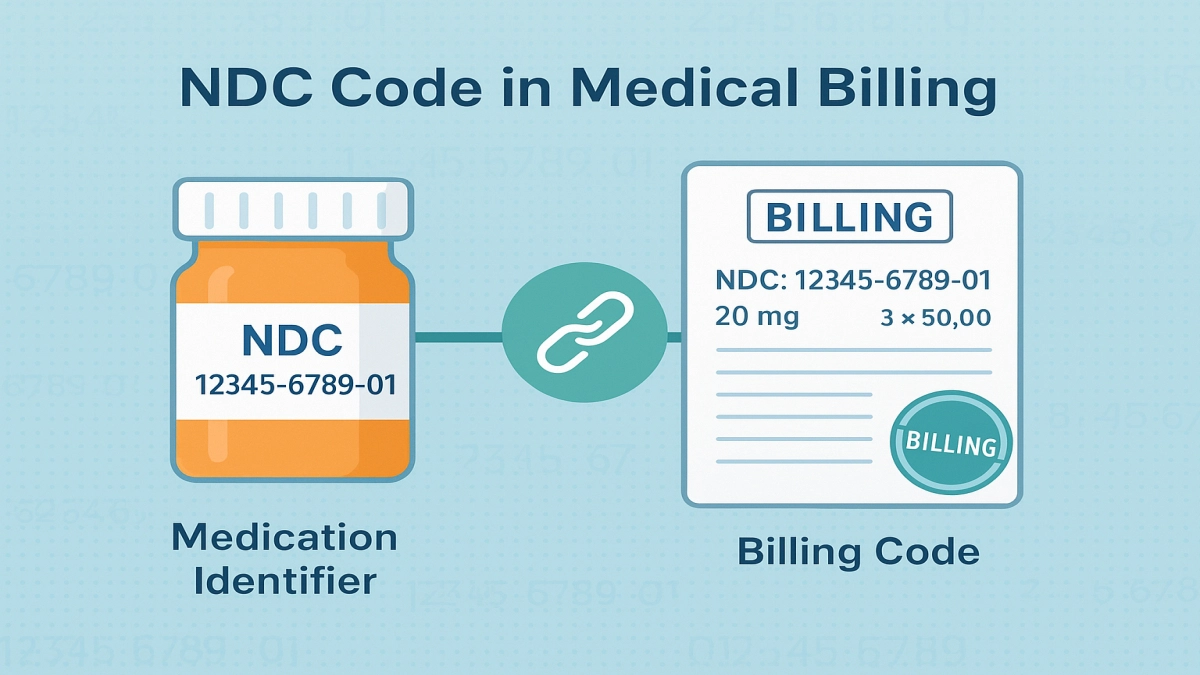
Introduction: Why You Should Care About NDC Codes

NDC code

In today’s healthcare landscape, precision matters more than ever. And nowhere is that more true than in pharmacy-related billing. The National Drug Code (NDC) might seem like a random string of numbers, but it plays a central role in ensuring accurate drug identification, payer compliance, and timely reimbursement. Yet many billing errors stem from NDC … Read more

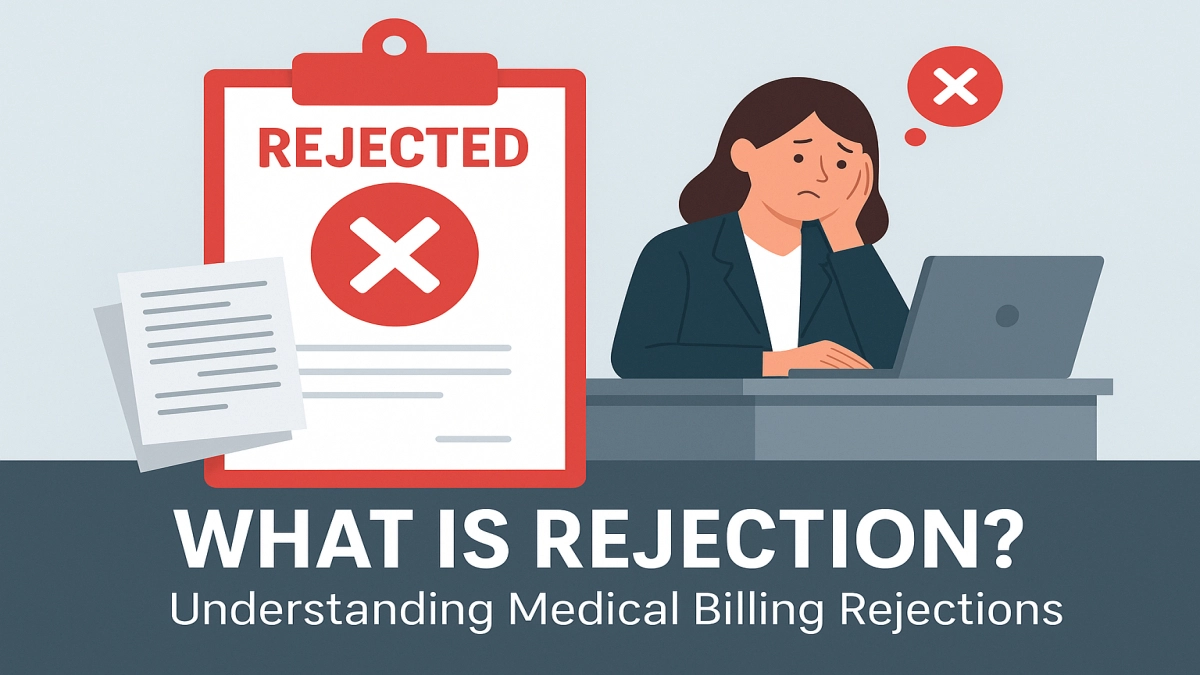
What Rejection Really Means in Medical Billing

Rejection

Rejection in medical billing is more than just an inconvenience—it’s a revenue disruptor, a productivity killer, and often, a red flag of deeper workflow issues. If you’ve ever received a “claim rejected” notice from a payer, you know the frustration. But here’s the thing: rejections are preventable. You just need to understand what they are, … Read more

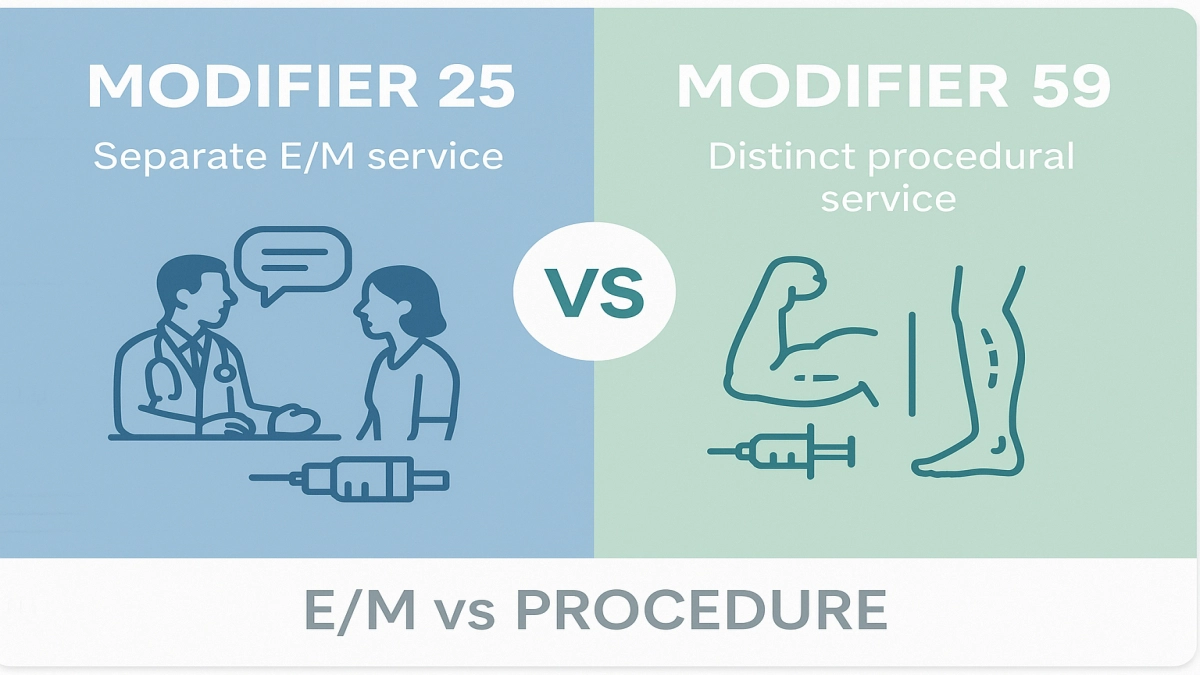
Modifier 25 vs Modifier 59: What’s the Difference and When to Use Them

Modifier 25 vs 59

In the world of medical billing, the tiniest details can make the biggest difference—especially when it comes to modifiers. Two of the most commonly misunderstood are modifier 25 and modifier 59. To the untrained eye, they may seem interchangeable. But in reality, using the wrong one could trigger denials, audits, or even compliance issues. If … Read more

26 Modifier In Medical Billing

Modifier_26

The 26 modifier, formally known as the Professional Component Modifier, is used when a procedure has both a technical and a professional component, and the billing provider is only responsible for the professional portion. In simple terms: It tells the payer, “I’m only billing for my interpretation and report of the test—not the equipment or … Read more

23 Modifier In Medical Billing

modifier_23

Modifier 23 means “Unusual Anesthesia.” It’s appended to a surgical procedure code to indicate that anesthesia services were more extensive than typically expected due to unusual circumstances. CPT Definition: Modifier 23 – Unusual Anesthesia: “When a procedure which usually requires either no anesthesia or local anesthesia must be done under general anesthesia due to unusual … Read more

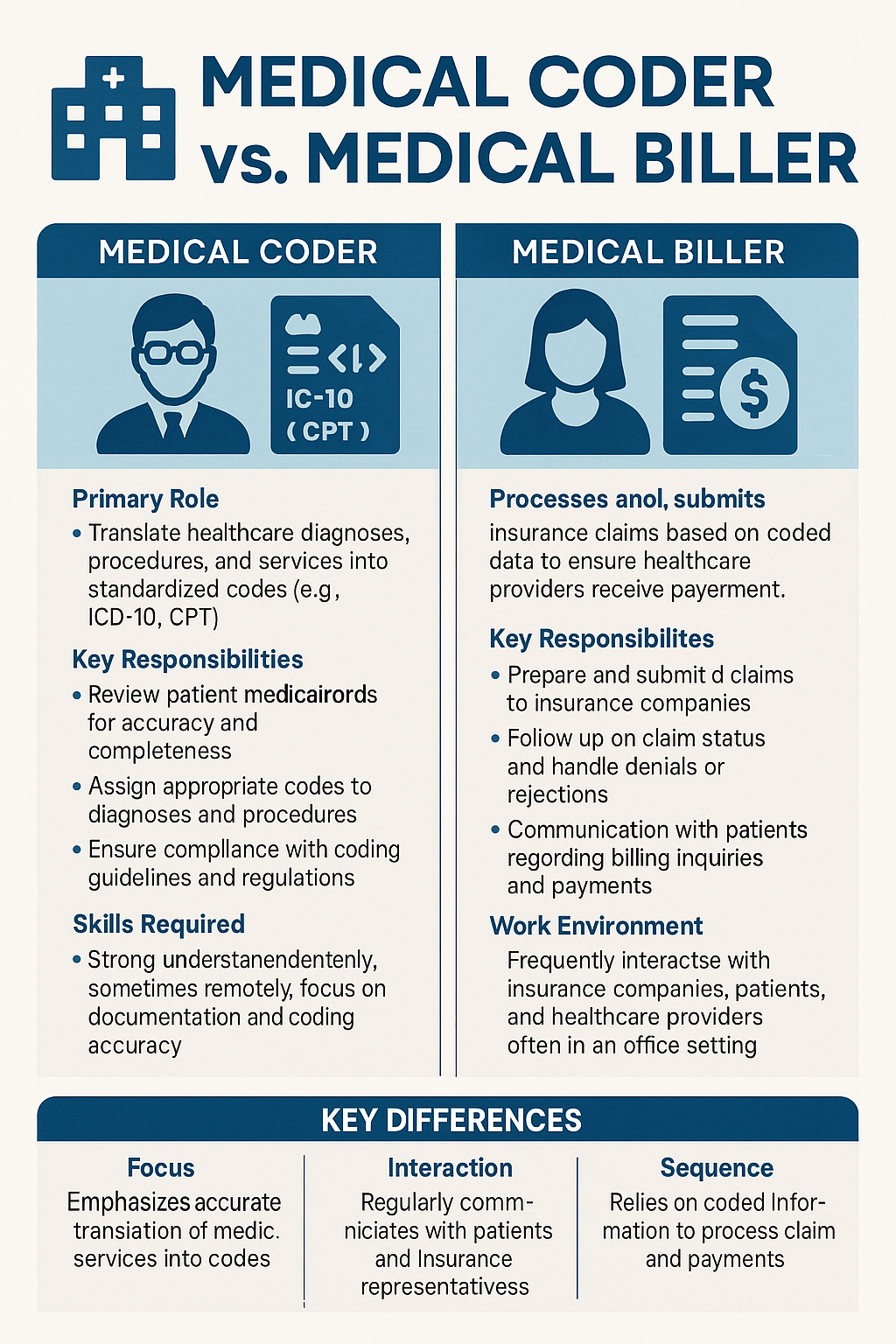
Difference between a medical coder and a medical biller

While medical coders and billers both contribute to the healthcare revenue cycle, their roles serve different but complementary purposes. Medical coders translate doctors’ notes, test results, and procedures into standardized codes like ICD-10 and CPT. These codes are essential for insurance documentation and accurate patient records. In contrast, medical billers take those codes and prepare … Read more

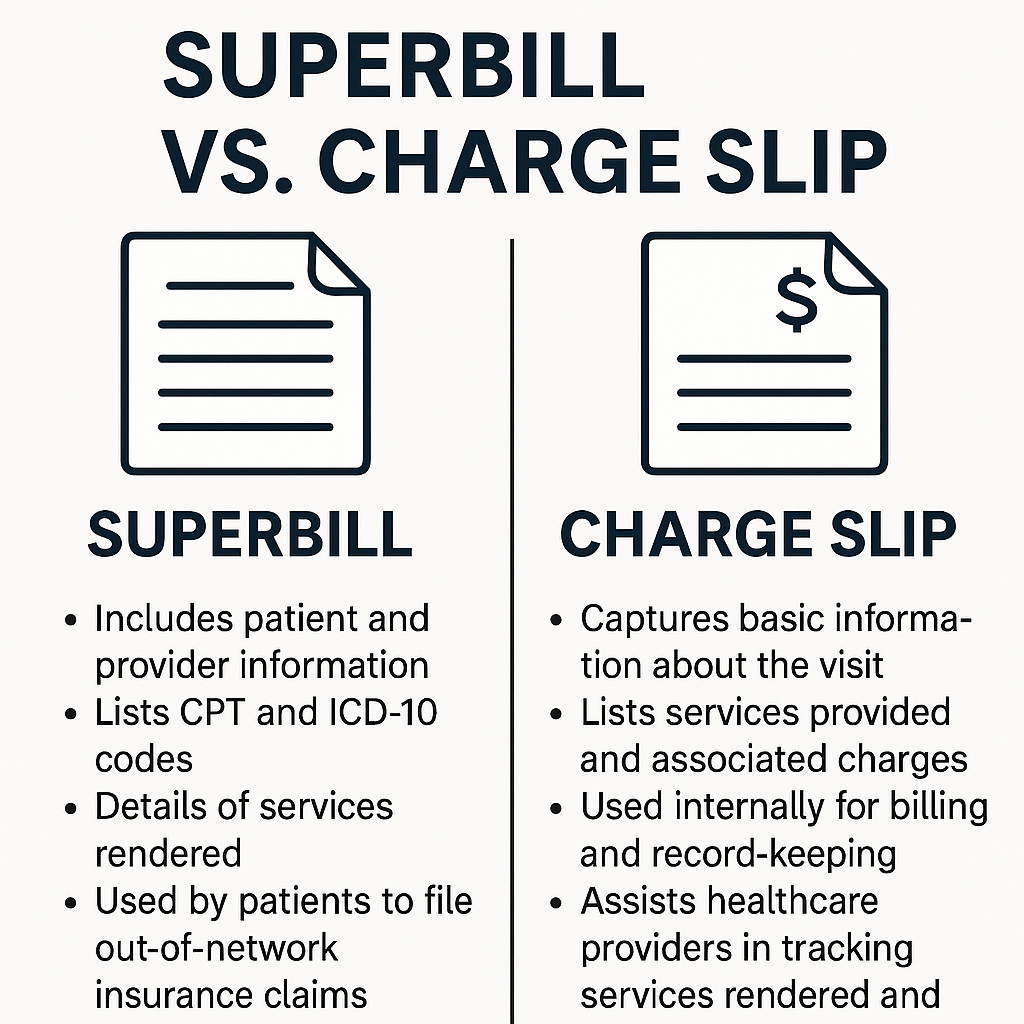
What is the difference between a superbill and a charge slip?

superbill and charge slip

In medical billing, understanding the tools used to document and track patient services is crucial. Two commonly used documents are the superbill and the charge slip. While they may seem similar, each plays a unique role in the billing process. A superbill is a comprehensive, itemized form used by healthcare providers to capture detailed information … Read more

How does a clean claim differ from a dirty claim?

Clean Claim Vs Dirty Claim

In medical billing, the terms “clean claim” and “dirty claim” are more than just jargon, they directly affect how quickly healthcare providers get paid. A clean claim is one that is accurately completed, properly coded, and submitted in compliance with the payer’s guidelines. It processes smoothly and typically results in timely payment. A dirty claim, … Read more