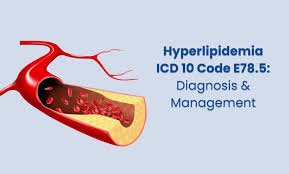
What is Hyperlipidemia?
Hyperlipidemia is a common medical term for having too many fats (lipids) in your blood. These fats include cholesterol and triglycerides. While your body needs some fat to build cells and make hormones, having too much is a major risk factor for heart disease and strokes.
In the medical coding world, doctors use a system called ICD-10 (International Classification of Diseases, 10th Revision) to track this condition. Using the right code is vital for insurance, medical records, and ensuring patients get the right treatment.
Common Hyperlipidemia ICD 10 Codes
The most frequent code you will see is E78.5 (Hyperlipidemia, unspecified). This is used when a patient has high lipid levels, but the specific type hasn’t been narrowed down yet.
However, there are more specific codes depending on what the blood test shows:
- E78.0: Pure hypercholesterolemia (high cholesterol only).
- E78.1: Pure hyperglyceridemia (high triglycerides only).
- E78.2: Mixed hyperlipidemia (both cholesterol and triglycerides are high).
- E78.4: Other hyperlipidemia (includes rare forms).
Why ICD-10 Coding Matters for Your Health
When a doctor uses an ICD-10 code, they aren’t just filing paperwork. These codes help the healthcare system understand how many people have heart risks. For you, it means your insurance company can see why a doctor ordered a “Lipid Panel” blood test or prescribed a statin medication. You can check your own records using tools like the AAPC ICD-10 Search Tool to verify what was billed.
Symptoms and Diagnosis
Hyperlipidemia is often called a “silent killer” because it usually has no symptoms. Most people don’t know they have it until they get a blood test.
To diagnose it, doctors look at:
- LDL (Low-Density Lipoprotein): Often called “bad” cholesterol. It builds up in your arteries.
- HDL (High-Density Lipoprotein): The “good” cholesterol that helps clear out the bad stuff.
- Triglycerides: A type of fat used for energy. High levels can lead to pancreatitis.
How to Manage High Lipids
If your lab results show a code like E78.5, don’t panic. There are several ways to bring those numbers down:
- Heart-Healthy Diet: Focus on fiber, fruits, and vegetables. Reduce saturated fats found in red meat and full-fat dairy. The American Heart Association offers excellent meal planning guides for lowering cholesterol.
- Regular Exercise: Moving your body for 30 minutes a day can boost your “good” HDL cholesterol.
- Medication: If lifestyle changes aren’t enough, doctors often prescribe statins. These drugs help the liver clear out LDL cholesterol more effectively.
Modern Coding in 2026
As we move through 2026, the healthcare industry is focusing more on “Social Determinants of Health.” This means doctors might also code for things like “Lack of access to healthy food” alongside your hyperlipidemia code to get a better picture of why your levels are high.