How does a clean claim differ from a dirty claim?

Clean Claim Vs Dirty Claim

In medical billing, the terms “clean claim” and “dirty claim” are more than just jargon, they directly affect how quickly healthcare providers get paid. A clean claim is one that is accurately completed, properly coded, and submitted in compliance with the payer’s guidelines. It processes smoothly and typically results in timely payment. A dirty claim, … Read more
What’s the difference between authorization and referral?

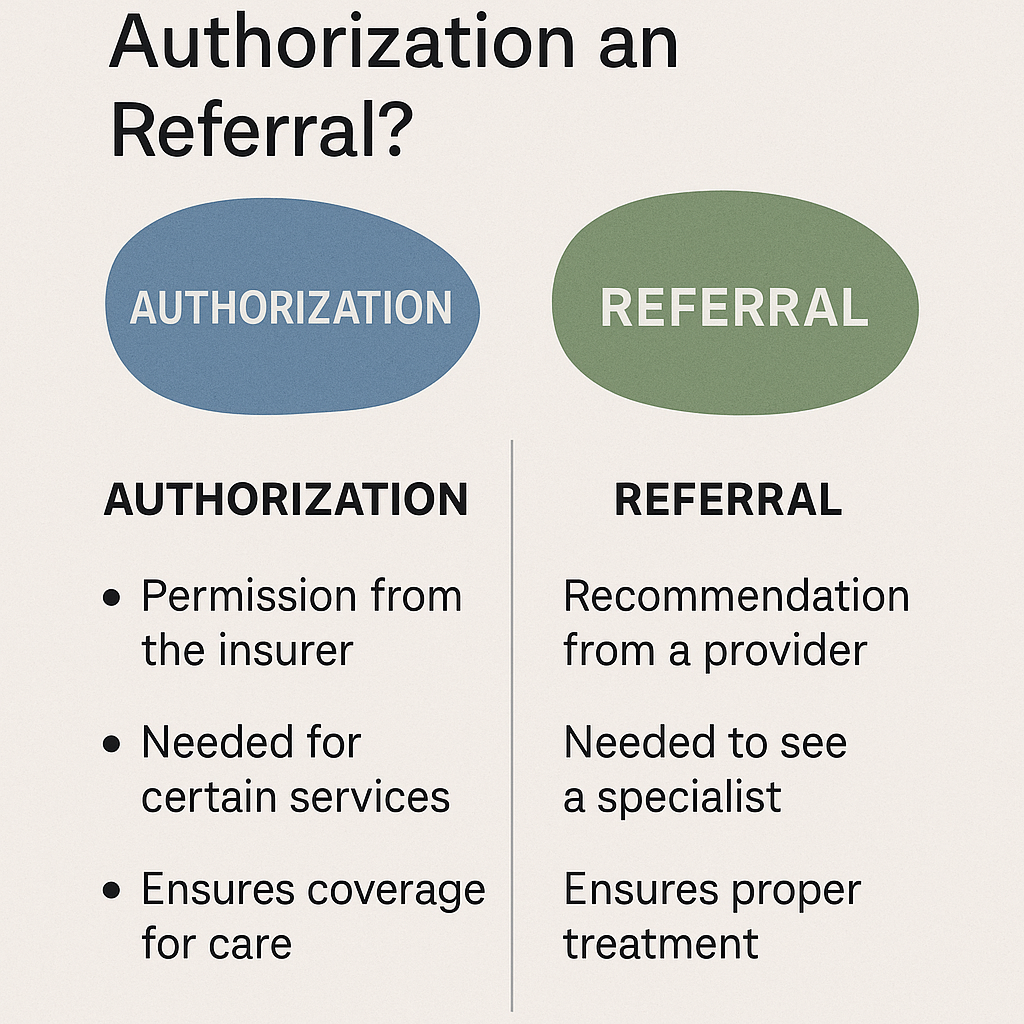
Diff b/w auth and referral.

In medical billing, authorization and referral serve different purposes, though both are crucial for insurance coverage and patient care. Simply put, authorization is permission from the insurance company for a service, while a referral is a recommendation from a primary care provider (PCP) to see a specialist. Let’s break down the details to help you … Read more

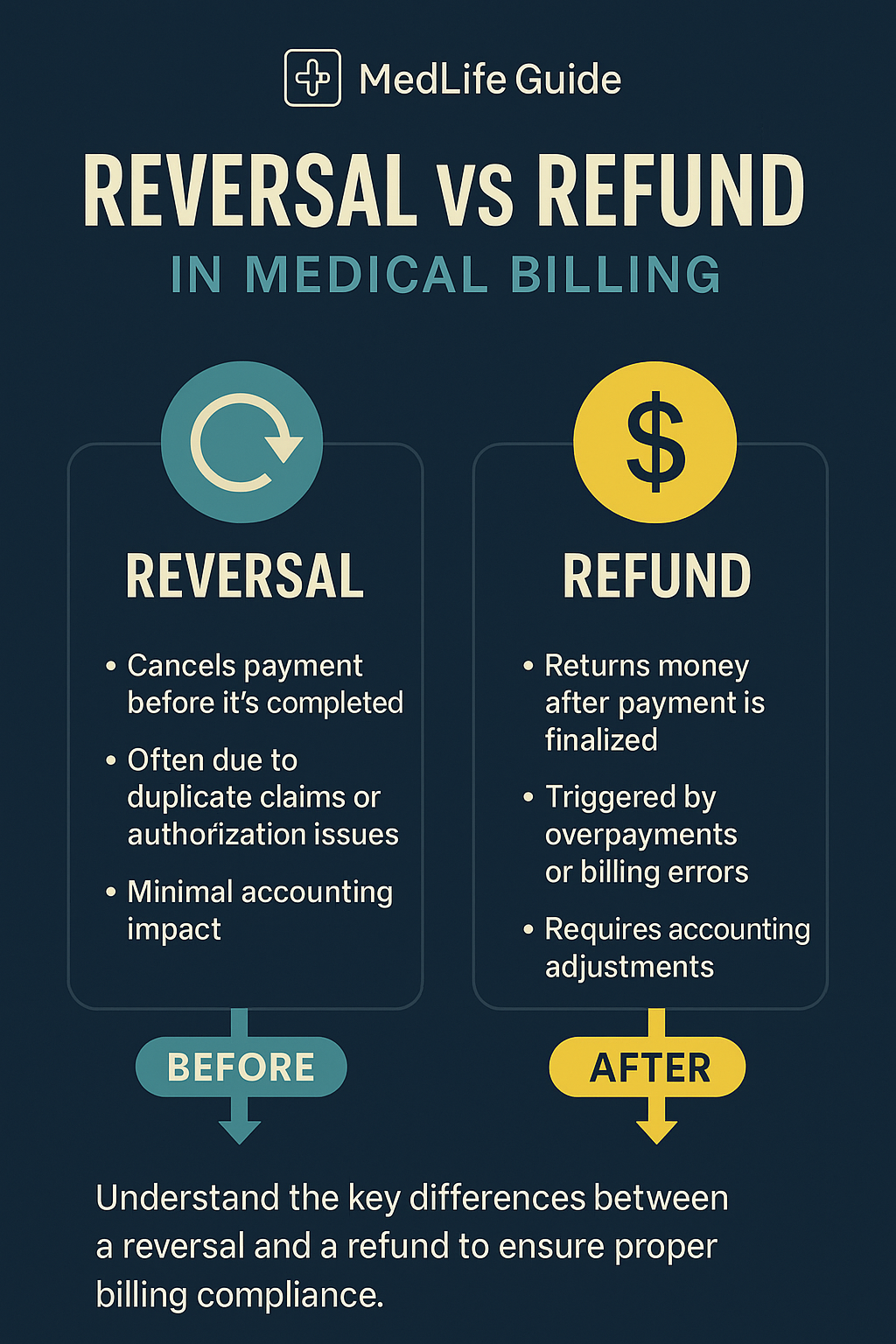
What Is the Difference Between a Reversal and a Refund in Medical Billing?

Definition Understanding Reversals in Medical Billing Understanding Refunds in Medical Billing Quick Comparison: Reversal vs. Refund Aspect Reversal Refund Timing Before payment settles After payment is finalized Purpose Cancel wrong/unauthorized charges Return overpayment or correct billing errors Impact on Accounting Minimal correction needed Requires adjustments and audit trails Common Triggers Duplicates, wrong authorization Overbilling, service … Read more

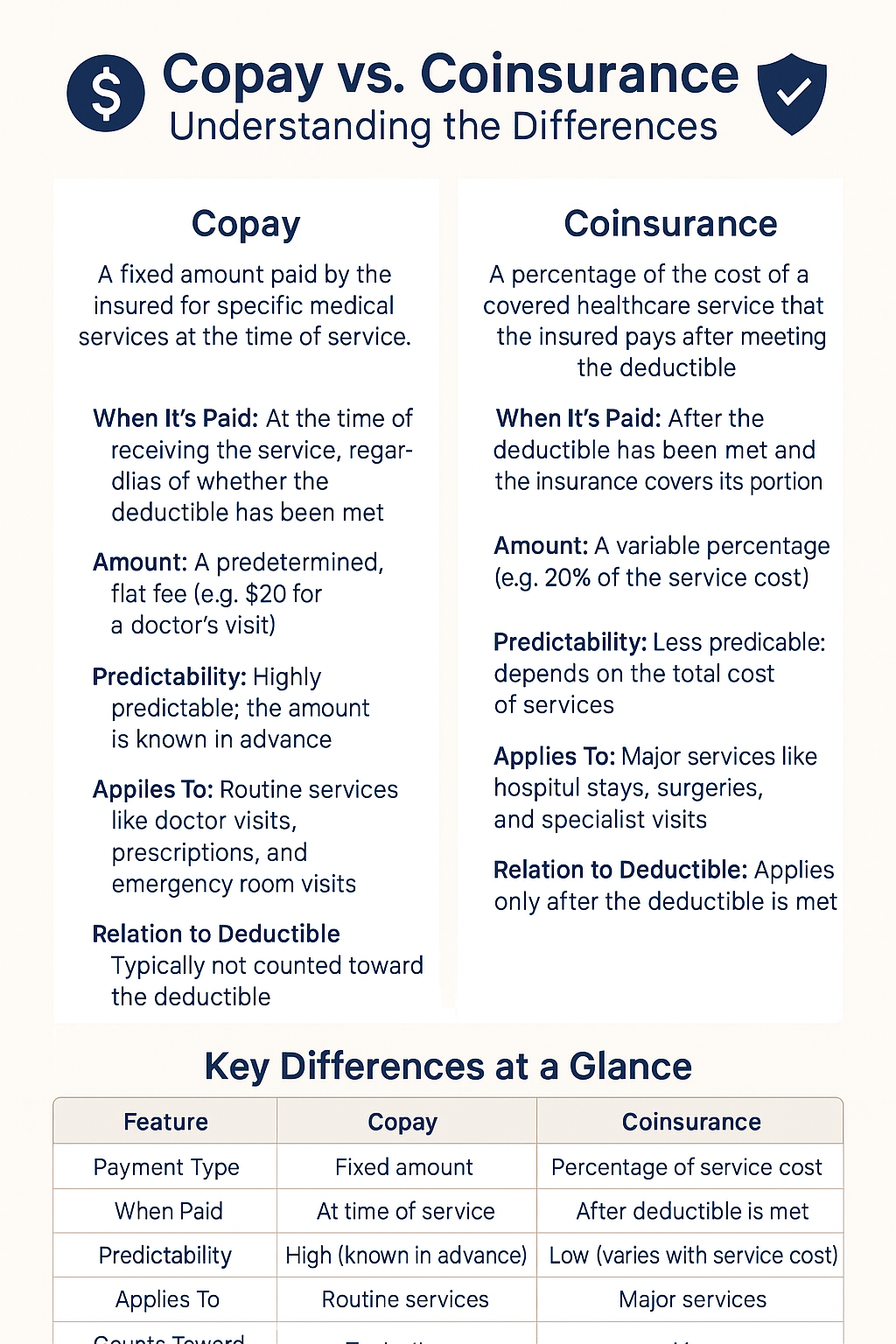
How does Copay differ from Coinsurance?

copay vs coinsurance

Copay is a fixed amount you pay for a healthcare service—like $25 for a doctor visit—while coinsurance is a percentage of the total cost of care you pay after meeting your deductible—like 20% of a $1,000 procedure. Both are forms of cost-sharing but work very differently. Understanding Copay: Fixed, Predictable Payments Copay (or copayment) is … Read more

Difference Between a Denied and Rejected Claim

Denied Vs Rejected claim

In medical billing, a denied claim and a rejected claim are not the same and understanding the difference is critical for faster reimbursements and fewer billing headaches.A rejected claim has errors that prevent it from being processed at all. A denied claim is processed but refused for payment based on policy or eligibility issues. What … Read more

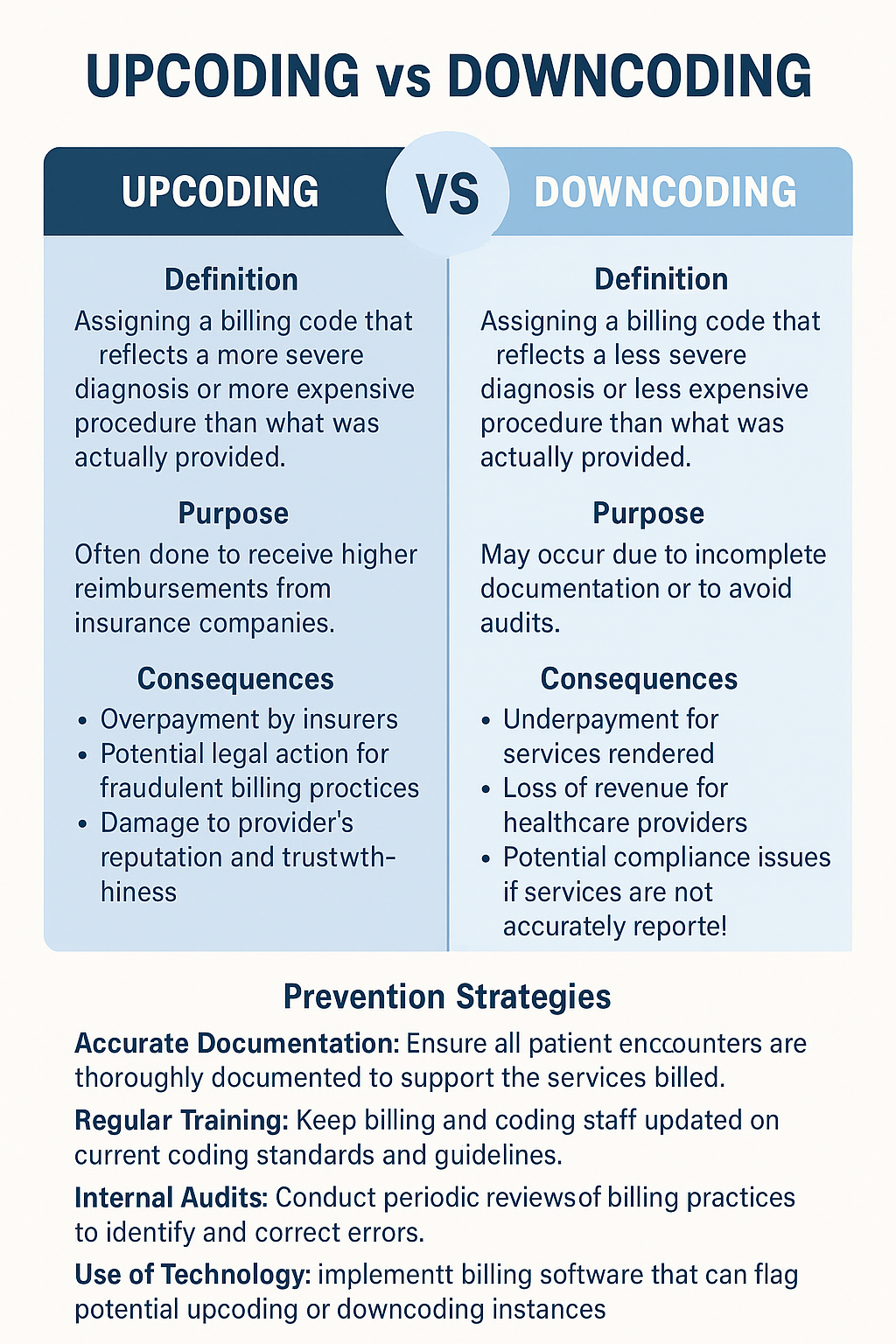
Difference Between Upcoding and Downcoding?

Upcoding and downcoding are billing practices in medical coding—but they have very different implications.Upcoding is when a healthcare provider uses billing codes for more severe diagnoses or procedures than what was actually performed, often to receive higher reimbursement. Downcoding, on the other hand, is when the billing code reflects a less severe or lower-cost service … Read more

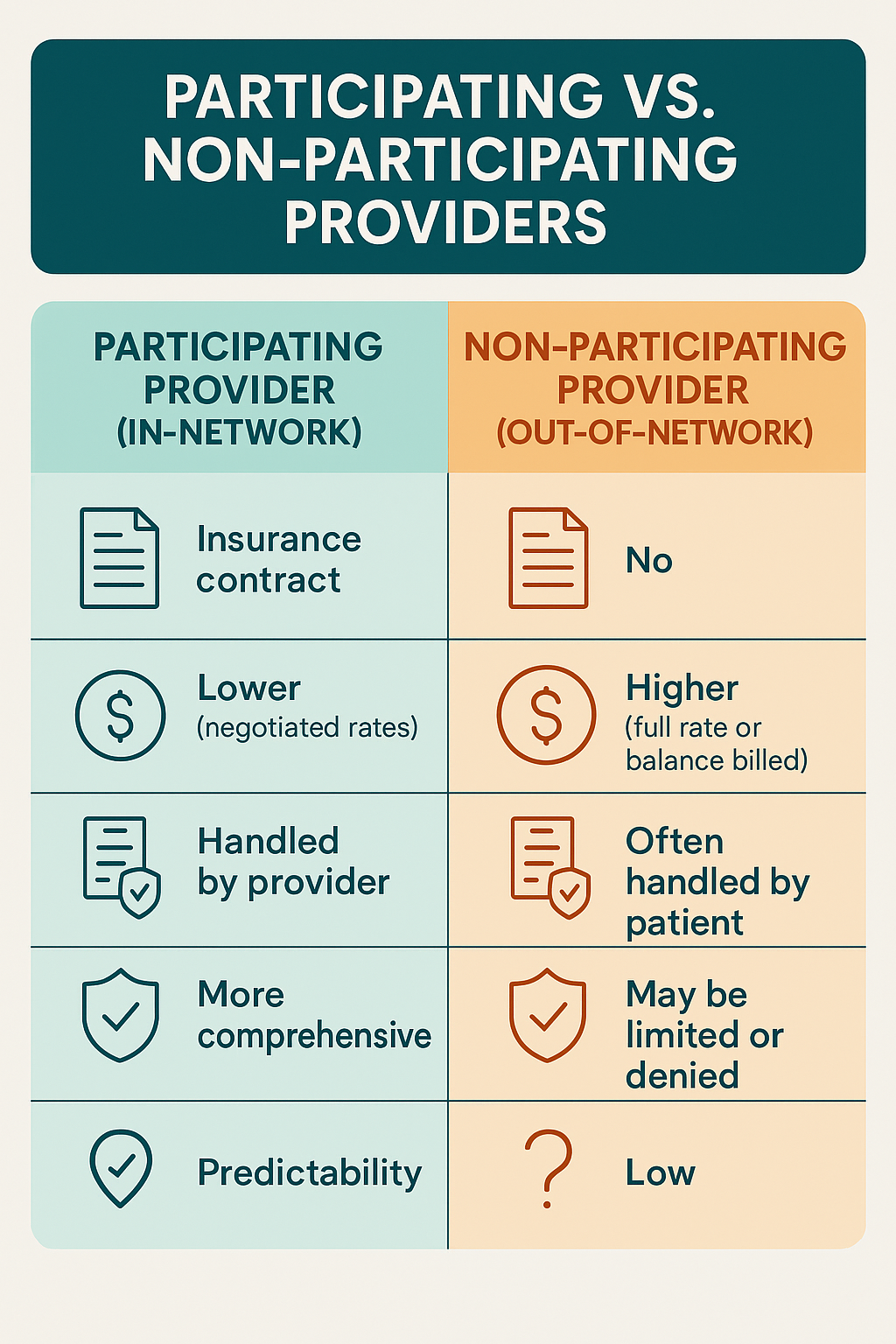
Difference Between a Participating and Non-Participating Provider

Par and Non-Par provider

When you visit a doctor or hospital, your out-of-pocket cost often depends on whether your provider is participating or non-participating with your health insurance plan. Simply put: Understanding the difference can save you money and stress—especially when unexpected medical bills appear. Participating Providers: What You Get These providers have signed agreements with insurance companies. This … Read more

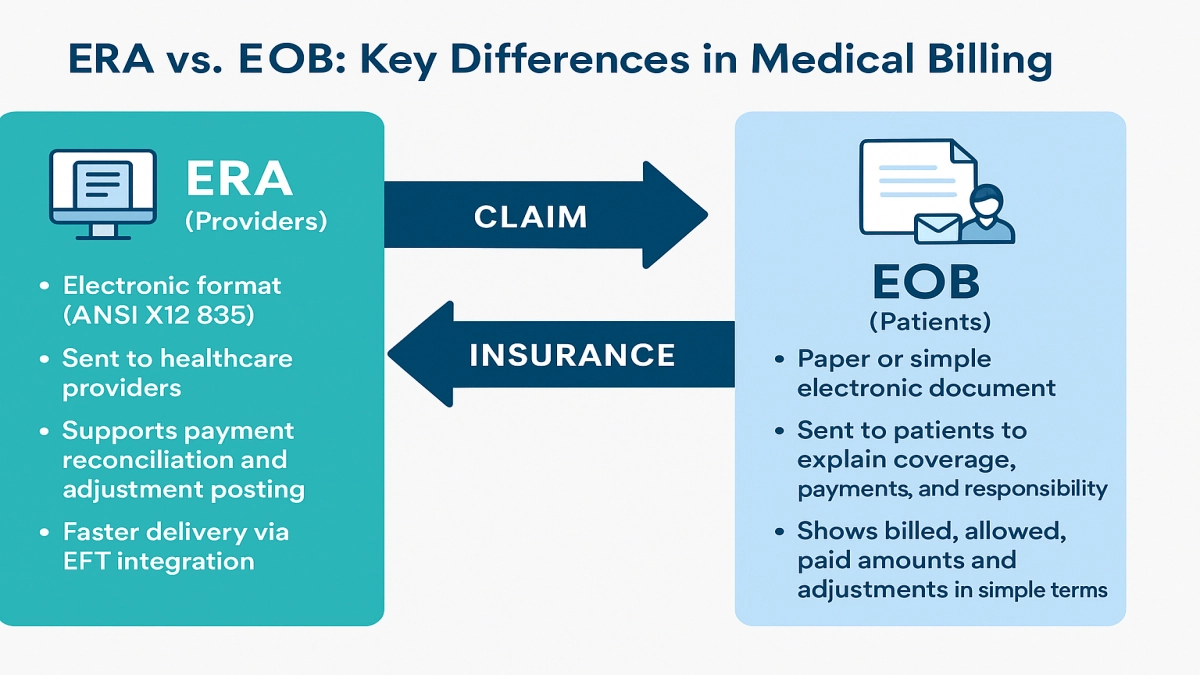
Difference Between ERA and EOB in Medical Billing

ERA and EOB

The Electronic Remittance Advice (ERA) and the Explanation of Benefits (EOB) both explain how a healthcare claim was processed but they serve different audiences. EOBs are typically sent to patients by their health insurance provider. In contrast, ERAs are sent electronically to healthcare providers to explain the payment and claim status. 🧾 What Is an … Read more

What Is the Difference Between Deductible and Out-of-Pocket Maximum?

Deductible and Out-of-Pocket Maximum

In simple terms: A deductible is the amount you must pay for covered health services before your insurance starts paying. The out-of-pocket maximum is the most you’ll have to pay in a year after which your insurance covers 100% of covered costs. Both terms are key to understanding how much you’ll spend on healthcare in … Read more

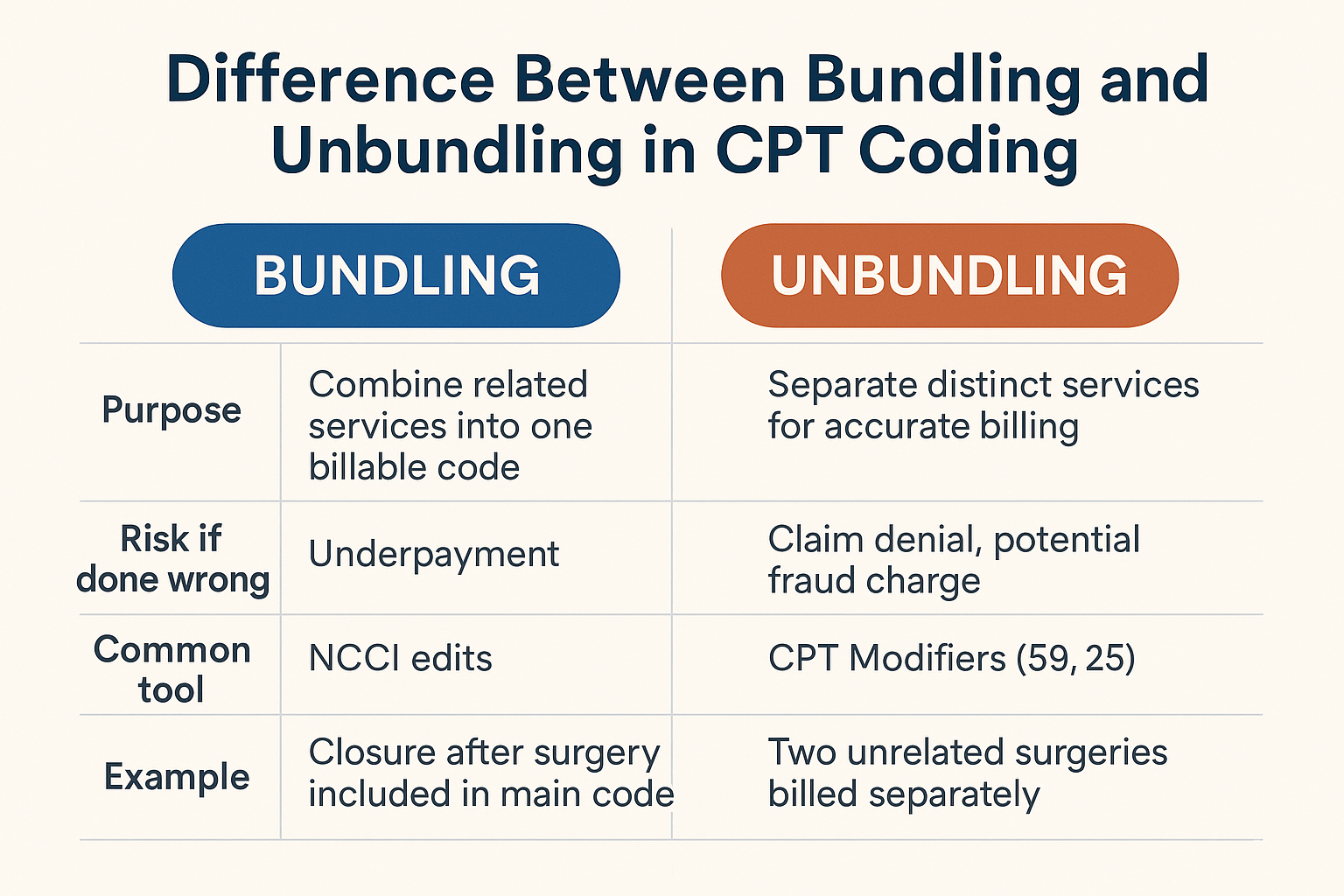
Difference Between Bundling and Unbundling in CPT Coding

Bundling and Unbundling in CPT Coding

Bundling in CPT coding means combining multiple services into one code for billing, while unbundling is separating them out to bill each individually.Bundling is often required to follow payer rules and avoid overbilling, while unbundling (when appropriate) ensures every provided service gets recognized. Correct usage protects against claim denials, audits, and compliance risks. What Is … Read more